Mountain Huts
The standard alpine season ends in October, but the best adventures begin when the crowds leave. Learn how to responsibly access unserviced winter rooms (Winterräume) across the Alps.
What is a Winterraum?
When high-altitude mountain refuges shut down their main hospitality operations for winter, a designated annex or emergency quarters remains unlocked or accessible via an Alpine Club master key (AV-Schlüssel). These spaces are intended for self-sufficient mountaineers, ski tourers, and winter hikers who carry their own food, fuel, and survival know-how.
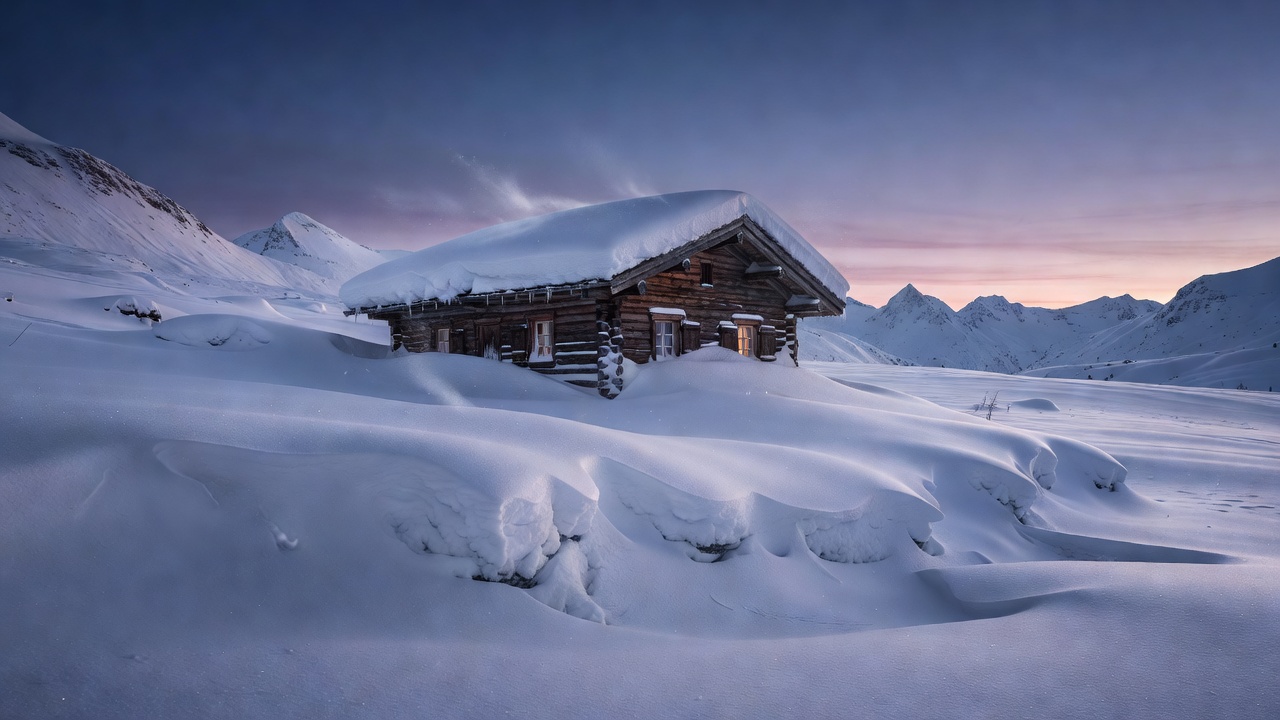
The Golden Rules of Winter Shelter Etiquette
1. Firewood Discipline
Firewood at 2,200m is brought up via helicopter at immense cost to the non-profit alpine clubs. Never burn timber to lounge in a warm T-shirt. Burn only enough to bring the room up to a safe 10–14°C and cook meals. When departing, replace all chopped kindling for the next group who might arrive hypothermic.
2. Snow Melting Sanitation
Piped water systems are drained and winterized in October to prevent burst pipes. You must melt snow on the stove. Mark a designated clean snow collection area upwind of the hut. Never harvest snow anywhere near footwear cleaning zones or latrines.
3. The Shelter Register and Honesty Box
Record your name, home club membership number, arrival time, and planned route in the hut register book (Hüttenbuch). Pay your overnight stay fee into the wooden honesty box or note down the IBAN transfer details on your phone.
Access Credentials
Most German (DAV), Austrian (ÖAV), and Swiss (SAC) alpine club winter shelters do not require reservations, but some enforce universal key locks. Joining an alpine club grants you access to key checkout privileges, emergency rescue insurance, and discounted overnight fees.